SIRA Approval for veterinary clinics in Dubai
Plan security around reception, animal transfers and staff access, with camera positions suited to how your veterinary premises are used.
Skodtec helps you plan the relevant security systems, technical drawings and inspection preparation around your premises and project stage.
New premises · Existing systems · Fit-out changes
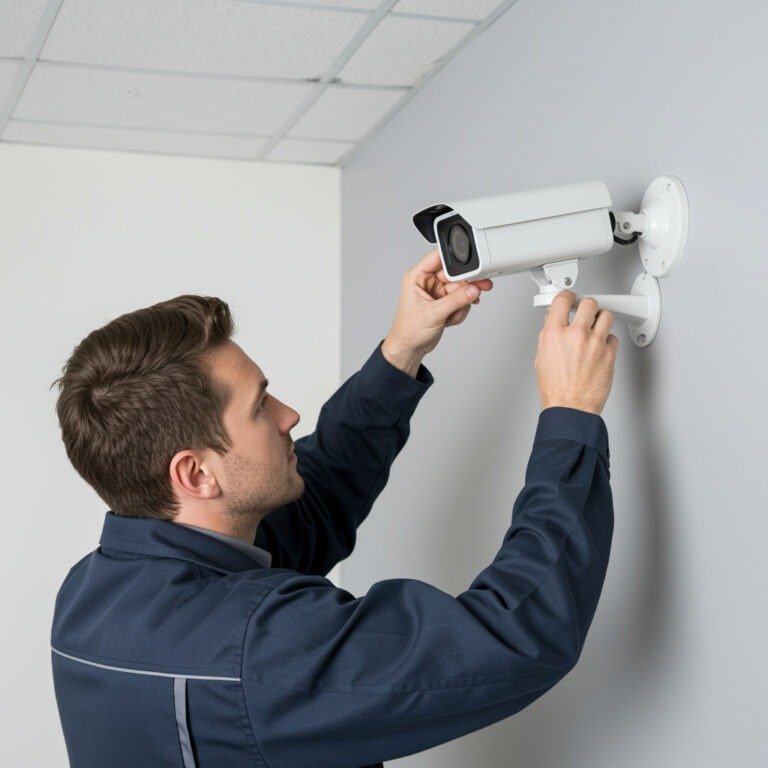
SIRA approval for veterinary clinics in Dubai
A veterinary practice may combine consultations, animal holding, treatment and supply storage within one building. Explain the actual licensed activity and facility layout before defining the security scope. A small consultation practice and a veterinary hospital with overnight care can have different operational arrangements.
Start with the routes used by clients, animals, employees and deliveries. An anxious animal may need a quieter route than the main waiting area. These practical details help the design discussion, while the mandatory security requirements still need confirmation for the relevant activity and premises category.
Security planning around your operation
For veterinary clinic CCTV approval, review the following areas as part of the site assessment. These are planning topics, not a substitute for the mandatory requirements applicable to your activity and building category.
Client reception
Review the relevant entrances and waiting arrangements. Consider counter positions, direct sunlight and the movement of people carrying animals or transport crates.
Animal transfer routes
Explain movement between reception, treatment and animal holding spaces. Discuss permitted coverage with the responsible team rather than applying one camera layout to every room.
Staff and supply areas
Identify relevant restricted areas, equipment rooms and supply access. Clarify authorised access and the location of recording equipment before installation begins.
Veterinary hospital security requirements
A veterinary clinic CCTV approval discussion should consider how the building operates after normal consultation hours. Explain whether staff remain overnight, where access takes place and which parts of the premises remain active. Do not assume that the daytime reception arrangement describes the whole operation.
Veterinary hospital security requirements should be checked against the actual facility classification. Physical security certification does not replace veterinary licensing, clinical standards or animal-care procedures. Keep those responsibilities coordinated, while making clear which technical work belongs to the security project.
Coordinate the systems and drawings
For an existing practice, review changed room uses and new animal holding areas alongside the equipment condition. A live camera display does not confirm reliable recording. Include playback checks, correct camera identification and authorised access arrangements when reviewing the system and preparing handover information.
Bring CCTV installation, relevant access control and structured cabling into one coordinated discussion. Define SIRA approval for veterinary hospitals around the confirmed activity rather than an assumed package.
Preparing for veterinary clinics security system approval
The sequence below explains the technical preparation. Formal submissions, audits and certification follow the applicable authority process; the exact route depends on your premises and project.
Review the site
Share the available floor plan, licensed activity and existing system information. Identify access points, operational constraints and planned fit-out changes before the technical scope is agreed.
Coordinate drawings and systems
Prepare the relevant security layouts and documentation around the agreed requirements. Review equipment positions with other contractors so the design remains workable as the premises take shape.
Install, configure and test
Check the installation against the agreed design and approved scope. Test relevant camera views, recording, playback and system functions; record changes rather than leaving the drawings out of date.
Prepare for audit and follow-up
Review technical readiness and address identified issues before the formal assessment. Where observations are issued, organise the relevant rectification work and supporting documentation.
Ask for a scope you can assess.
A useful quotation explains design work, documentation, equipment, installation and any corrective work separately. Applicable authority fees should also be distinguished from technical service charges. Avoid comparing proposals only by camera count when the coverage and equipment specifications differ.
The complete project timeline depends on readiness, installation, submissions, audit arrangements and rectification. A published authority service timeframe describes that service; it should not be treated as the duration of your entire project.
Support after installation
Changes to partitions, lighting or daily operations can affect a previously suitable system. Keep current drawings and handover information available, assign authorised access and arrange checks appropriate to your equipment and operating needs.
Discuss CCTV maintenance support where you need help reviewing recording faults, equipment condition or changed camera views. For veterinary clinics SIRA approval, identify the actual project stage so the next steps fit your situation.
WhatsApp your enquiryVeterinary Clinics: approval and security questions
Planning veterinary hospital security requirements or discussing SIRA approval for veterinary hospitals? These answers help you prepare for a more useful technical review.
Is veterinary security approval the same as a veterinary licence?
No. The security scope concerns relevant premises systems and certification. Veterinary licensing and animal-care requirements remain separate responsibilities.
Can a small clinic use a hospital security design?
Do not assume that it should. The exact activity, layout and operating arrangements need assessment before deciding the appropriate security scope.
What if the practice provides overnight care?
Explain operating hours, staffing and access arrangements during the initial review. These details help the technical team understand the premises, but final mandatory requirements must be confirmed separately.
What should we share before asking for a quotation?
Send the licensed activity, location, available plan and existing equipment details. Explain whether the project is a new fit-out, relocation or upgrade. A clear description helps distinguish documentation work from installation and corrective work.
Can we retain equipment already on site?
Possibly, after assessment. Review suitability, camera coverage, recording functions and the applicable requirements before deciding. An image on a monitor does not by itself establish that the installed system is suitable.
Can Skodtec help with inspection observations?
Share the issued observations and available drawings so the technical corrections can be discussed. The support scope may include equipment, configuration or documentation work. Final acceptance remains with the responsible authority.
Let’s review your premises.
Discuss SIRA approval for veterinary clinics in Dubai with Skodtec. Share your location, layout and project stage so the technical discussion starts with your actual needs.
Call +971 50 572 2216